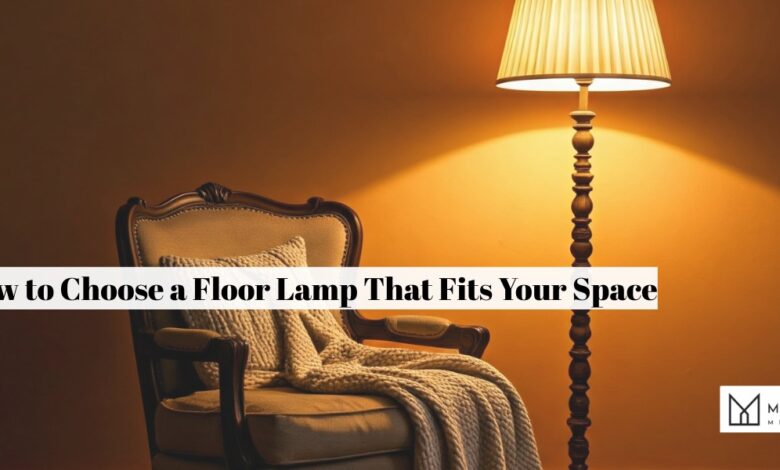
Choosing a floor lamp is not that complicated once you know what to look for. You need to match the lamp type to your room’s purpose, pick the right height, select bulbs with the correct colour temperature, and avoid common sizing mistakes.
But many people get it wrong because they focus only on how the lamp looks. The problem is that most floor lamp buying guides in Australia focus on style without covering the practical details, and buyers follow them blindly.


That’s why we created this guide to help you choose with confidence. We’ve helped hundreds of customers at Made Minimal find lighting that works, so we know what questions to answer before you buy.
Here’s what you’ll learn:
- Different floor lamp types and their best uses
- Choosing the right height for your space
- Light bulbs and colour temperature basics
- Common buying mistakes to avoid
Let’s find you a floor lamp that fits your space.
What Are the Different Types of Floor Lamps in Australia?
Different types of floor lamps include arc lamps with curved arms, tripod lamps with three legs, and torchiere lamps directing light upward. Each type serves a different purpose in your home, and knowing the distinctions helps you pick the right one for your space.

Here’s what makes each style unique and where they work best.
Arc Floor Lamps
The best part about arc lamps is that they position light exactly where needed without a bulky base taking up valuable floor space underneath. The curved arm extends over your dining table or lounge, placing light right where you’re sitting. This makes them perfect for reading corners or sectional sofas where you want focused lighting without a table lamp cluttering the surface.
Tripod Floor Lamps
Looking for a lamp that adds style while staying stable even in high-traffic areas? Then, tripod lamps are worth considering.
The three-legged base provides sturdy support with clean lines that work in both modern and traditional spaces. They fit well in small spaces while adding height and visual interest. Plus, you’ll find them in wood, metal, or matte black finishes to match your existing décor perfectly.
Pro Tip: Choose a tripod lamp with adjustable height if you want flexibility for different seating arrangements or room layouts.
Torchiere Floor Lamps
Torchiere lamps are the easiest way to add ambient lighting throughout your entire room without harsh overhead ceiling lights. These tall floor lamps direct light upward, and the single pole design reaches toward the ceiling to bounce indirect light throughout the space. Think of them as subtle spotlights for your ceiling (minus the drama).
Another advantage is that they brighten dark corners without glare or shadow, like behind a reading chair or next to a bookshelf where you need general lighting coverage.
Safety Note: Do not use older torchiere lamps with halogen bulbs, as they can reach temperatures over 1200 degrees Fahrenheit and create a serious fire risk. Instead, choose modern LED torchieres that stay cool and use far less energy.
Now that you know which lamp style suits your room, the next step is finding the right height so it actually works with your furniture.
How Tall Should Your Floor Lamp Be?
Based on our experience, a floor lamp should be 58-64 inches tall for standard living rooms (typically around 20-25 square metres). This measurement matters because if you get this wrong, you’ll either squint at a bulb or sit in awkward shadows.

Let’s break down how to measure properly and adjust for your space.
Standard Height for Living Rooms
Getting the height right means you’ll enjoy comfortable lighting for reading without squinting or dealing with annoying glare in your eyes.
As we mentioned earlier, an average floor lamp stands 58-64 inches tall for most living rooms. The bottom of the shade should sit at eye level when seated, which prevents harsh direct light from hitting your face.
When you get this positioning right, the lamp provides focused light for reading or task lighting without straining your eyes or causing headaches.
Helpful Tip: Measure with a tape measure while sitting in your usual spot on the sofa to find your exact eye level before shopping for lamps.
Adjusting for Room Size and Ceiling Height
If your ceilings are higher or lower than average, using a standard-height lamp won’t look good. High ceilings need taller lamps around 70-76 inches for visual balance. Otherwise, the lamp disappears into the space.
However, low ceilings work better with shorter lamps to avoid overwhelming the room and making it feel cramped. Just don’t go so short that the lamp gets lost next to your furniture.
How Do You Choose the Right Light Bulb and Colour Temperature?
Select the right light bulb and colour temperature based on where you’ll use the lamp and what activities happen in that room.
If you want a relaxed, cozy atmosphere, choose warm white LED bulbs (2700-3000K) for living rooms and bedrooms. These lights create an inviting atmosphere where you can relax. In fact, they’re perfect for a cozy reading nook where you want soft, comfortable lighting that doesn’t strain your eyes during long reading sessions.
But if you need bright, focused illumination for work, cool white (4000K+) works better for task areas like home offices and kitchens. They provide focused task lighting when you need alertness and concentration.
The colour temperature changes how your space feels and affects everything from your mood to how well you can focus. Get it wrong and you’ll wonder why you’re sleepy at your desk or wide awake at bedtime (spoiler: it’s the bulbs).
Pro Tip: Stick with one colour temperature across all your light sources in the same room. This creates a cohesive look and prevents the jarring effect of mixing warm and cool tones.
Once you’ve sorted the bulb situation, let’s tackle the mistakes that trip up most people when buying floor lamps.
What Common Mistakes Should You Avoid?
The most common mistakes are positioning lamps too high, choosing oversized lamp shades that overwhelm your space, and ignoring how lamp style fits your room. These errors make even expensive lamps look awkward and perform poorly.
Avoid these two big ones and you’ll end up with a lamp that actually works for your space.
Ignoring the Eye Level Rule
Suppose you buy a beautiful floor lamp but end up with headaches every time you read in your favourite chair. Frustrating, right?
It happens when you position a lamp too high, causing harsh direct light to shine into your eyes, which creates glare and discomfort. You’re essentially staring at a bulb instead of enjoying diffused light.
That’s why you should position the shade at or below eye level when seated nearby. This prevents glare while reading and creates comfortable ambient lighting throughout the room. Also, if you’re placing the lamp behind your sofa or chair, make sure the light directs over your shoulder rather than straight at your face.
Choosing the Wrong Lamp Shade Size
The right shade size creates balanced proportions that make your lamp look intentional.
But here’s where people go wrong: Lamp shades wider than your table or lamp base look unbalanced and top-heavy. And too-small shades expose bulbs. It creates unflattering, focused light and glare that defeats the purpose.
We recommend choosing a shade that’s about two-thirds the height of the lamp base to get the perfect floor lamp proportions. If you prefer a fabric shade, make sure it’s wide enough to cover the bulb completely but not so large that it overwhelms the lamp base or nearby furniture.
Finding the Right Floor Lamp for Your Home
Floor lamps change how a room feels, but only when you choose the right height, light temperature, and style for your space. The good news is that once you understand these factors, finding a lamp that works becomes much simpler than most people expect.
We’ve covered the main floor lamp types and their uses, plus how to measure for the correct height. Also, you’ve learned which light bulbs create the atmosphere you want and the sizing mistakes that make lamps look awkward.
Your home deserves lighting that works properly from day one, not something you’ll regret after a week. Our team will take you through every detail you need to choose confidently.